




Welcoming a temporary truce, but not out of the woods just yet
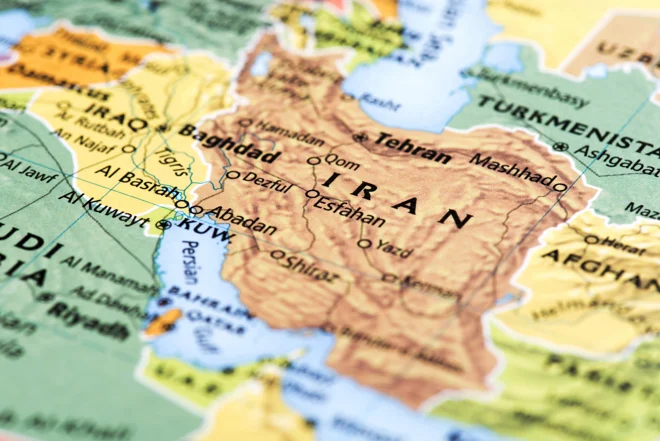
Overnight, the US and Iran agreed to a two-week ceasefire that will reopen the Strait of Hormuz, a chokepoint through which a fifth of global oil flows. Risk assets quickly rebounded.
Equities and currencies in Asia, where we have exposure through overweight positions in emerging market equities and local-currency debt, are leading that rebound. At the time of writing, also the key other regions, from the Eurozone and the UK to the US, are gaining or expected to gain looking at futures markets.
The US dollar and US Treasury yields have fallen as oil prices dropped by more than 10%, easing the stagflationary impulse of higher energy prices, namely higher inflation and lower growth. That said, we do not expect energy prices to return to pre-conflict levels until there is greater confidence in a lasting truce. For now, prices may hover below USD 100 per barrel rather than above, but not come down significantly.
The ceasefire is a relief for markets, and consumers as gas prices are likely to ease, but volatility could persist. A long-term resolution will depend on how negotiations play out over the coming days or weeks. Iran has submitted a 10-point proposal, so markets could now take cues on how the finer details are negotiated.
However, Trump has previously rejected a similar plan, so negotiations could remain tough. Moreover, Trump is well-known for shifting gears or changing directions unannounced.
How to think about market volatility
Markets like stability, but they rarely get it. Prices move fast when unexpected news hits, whether it’s political, economic or monetary. Volatility is part of how markets work.
When volatility picks up, the central question is: should we prioritise consistency or adaptability? We think the answer is probably neither one nor the other, but a subtle balance between the two. Too much rigidity means taking the risk of being overtaken as conditions change. Too much reaction leads to noise-driven decisions and bad timing.
In this sense, the real lesson is the ability to live with uncertainty without letting it dictate every move. Hold a clear view and retain enough flexibility to navigate a world in constant motion.
Strategically, we’ve been clear for a long time. The global order is more fragmented and multi-polar. Geopolitical tensions show up in supply constraints and inflation risks. This is why we continue to hold gold, broad commodities and inflation-linked bonds as structural hedges in portfolios. Rather than just tactical trades, these are strategic portfolio anchors.
At the same time, the priority is staying invested. This is because, over time, compounding does most of the work. Equity markets are shaped far more by earnings and fundamentals than by headlines. That doesn’t mean ignoring risk, but avoiding the trap of constant repositioning. This has been helpful given the numerous twists and turns we’ve witnessed already in 2026.
Diversification matters for this reason. Weakness in one area can be absorbed elsewhere. When we adjust, we do it gradually, not in response to daily noise. That’s how we build portfolios, to handle a range of outcomes, from escalation to de-escalation scenarios, with safer and better-quality assets while keeping exposure to equities, respectively.
Our House View right now
In practice, tactically, since the start of 2026, we’ve leaned further into high-quality assets. In fixed income, we currently see better value in government bonds than riskier credit. Government bond yields are higher, and markets have already priced in more policy rate increases than we’re forecasting. By contrast, credit spreads (the extra yield investors receive for taking more risk) are not wide enough to justify that risk.
We added European government bonds, in which we are now overweight, along with US Treasuries, though we remain underweight compared to our long-term benchmark. At the same time, we reduced riskier European investment grade, global high yield and emerging market hard currency bonds. We also added selectively to emerging market bonds in local currency. It remains a small allocation, but one with attractive yields, diversification benefits, and exposure to energy exporters outside the Middle East.
On currencies, our long-term view hasn’t changed. We still expect the US dollar to weaken over time as global investors diversify their reserves and the global backdrop becomes more fragmented. But markets don’t move in straight lines. In periods of stress, the dollar tends to strengthen. As such, we moved our dollar exposure back to neutral. This is a tactical decision, aimed at reducing downside risk if volatility spikes again.
In equities, the prior sell-off offered an opportunity to readjust the equity position to a more balanced one, in our view, gradually higher in quality. We readjusted our European equity weight to neutral from a small overweight previously, allowing us to raise the tactical weight of US equities. Historically, the US has shown better resilience in periods of stress and is also rebounding quickly when risk sentiment improves.
Finally, our ‘insurance’ warrant rose in value during the recent volatility and has more than offset its initial cost. Where client experience, regulations, and guidelines allow, we locked in the profits and kept the remainder in place until June to help cushion the portfolio if turbulence persists.
Volatility doesn’t disappear. You manage it by staying clear-headed, disciplined and flexible enough to adapt without losing your footing.